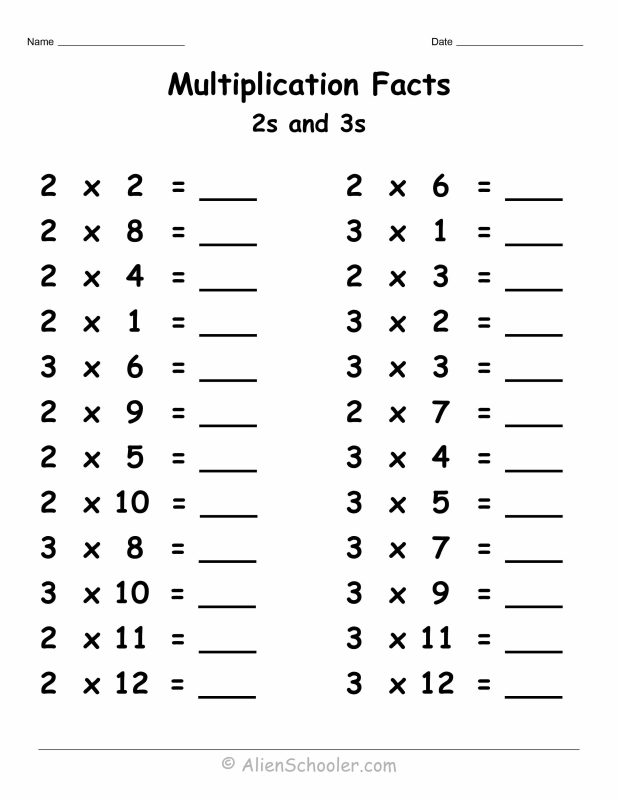
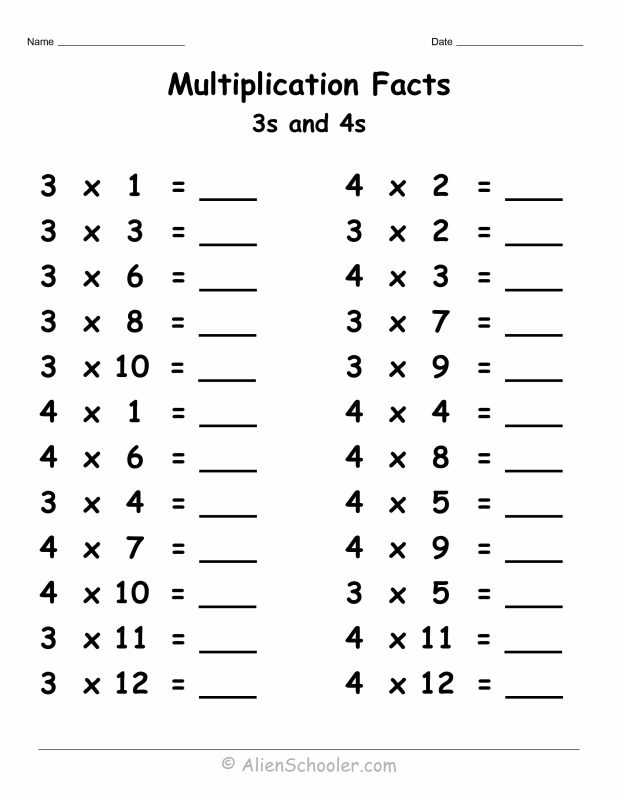
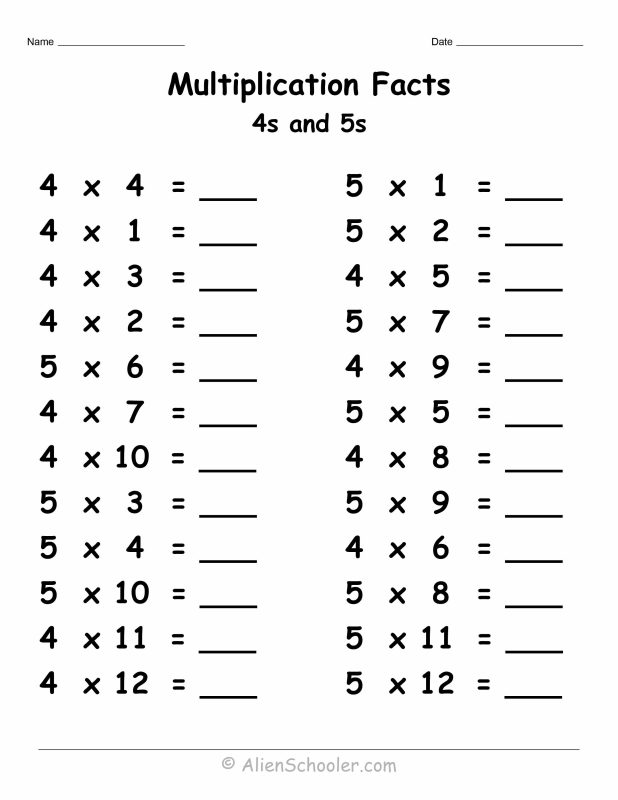
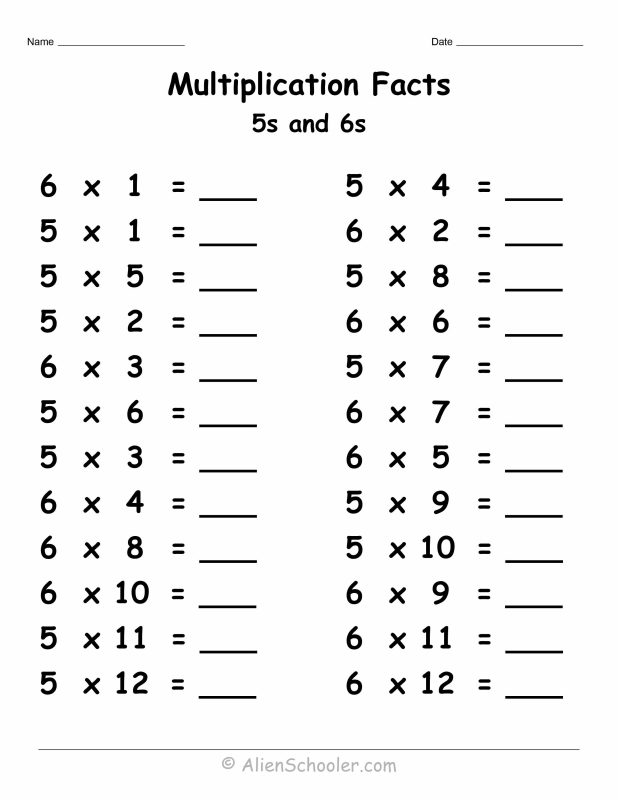
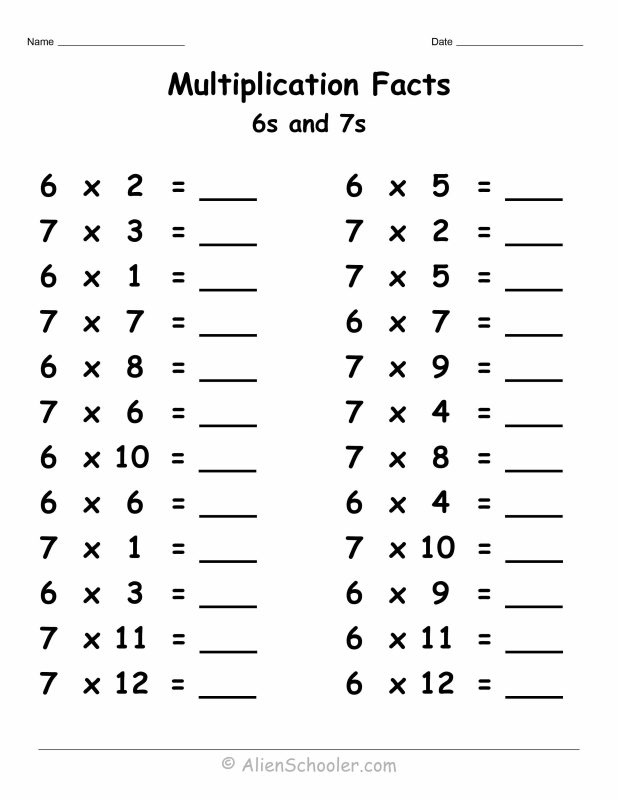
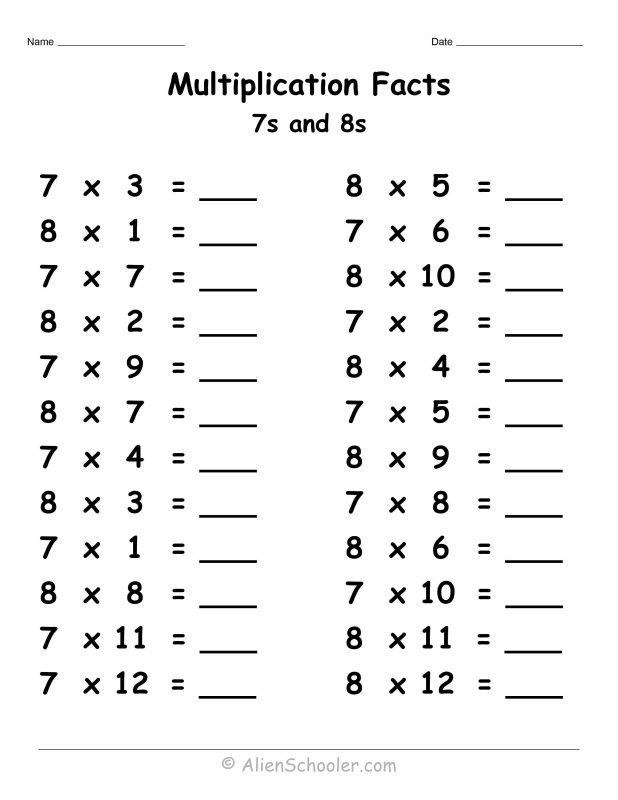
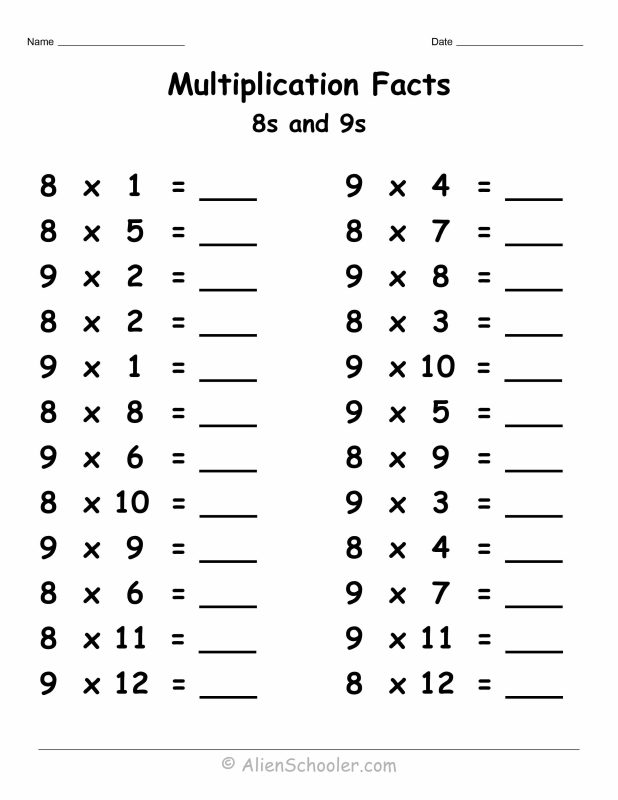
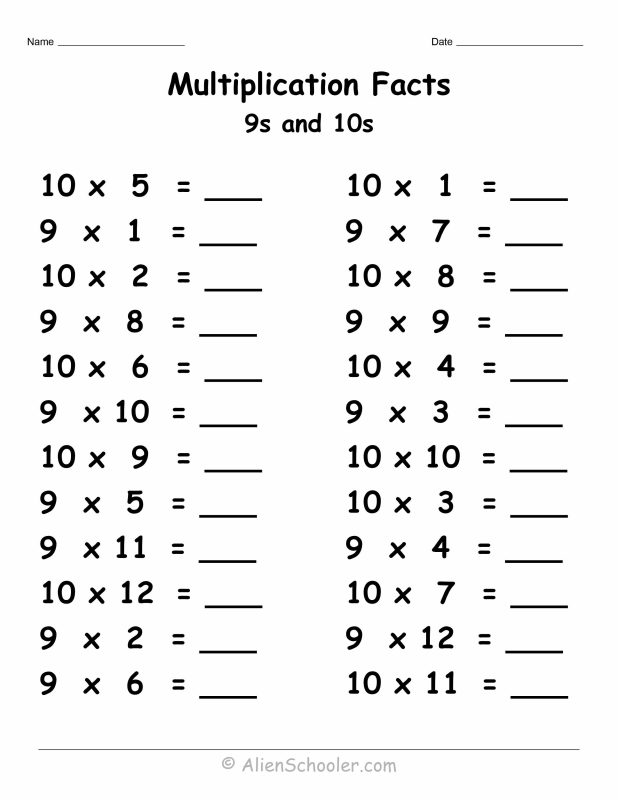
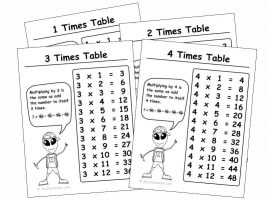
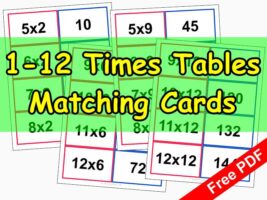
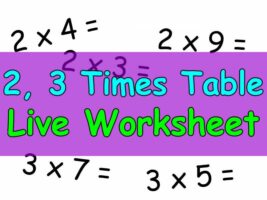
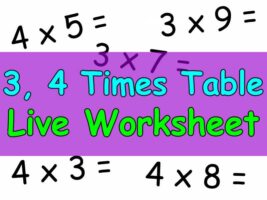
Mixed Times Tables Worksheets: Practice 2&3, 3&4, 4&5 & More
Why Practice Mixed Times Tables?
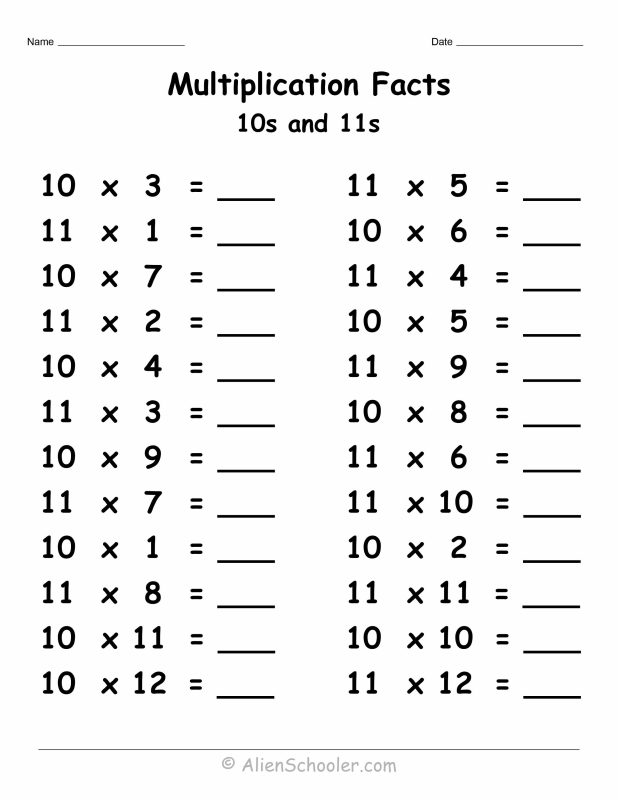
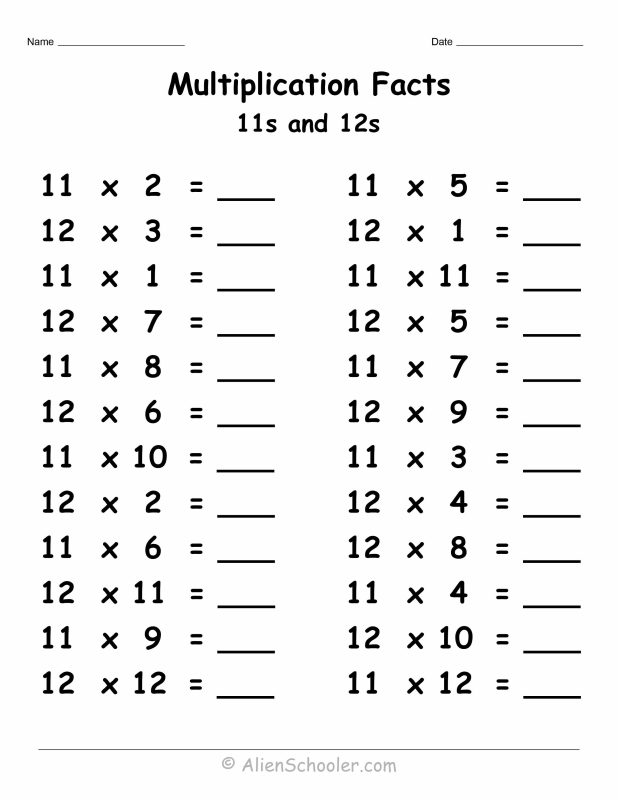
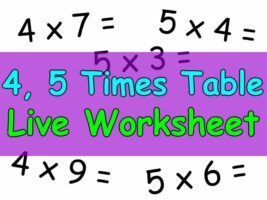
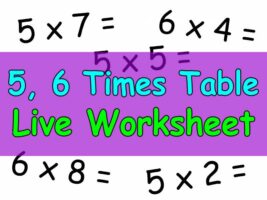
Once your child has mastered individual multiplication tables, mixed practice is the next crucial step toward true fluency. Our mixed times tables worksheets combine two multipliers on each page (like 2&3, 3&4, or 4&5) to help students:
Distinguish between similar facts — preventing confusion between 3×4 and 4×3
Build mental flexibility — switching between different multiplication facts quickly
Prepare for real-world math — where problems don’t come grouped by table
Strengthen fact retrieval — moving from memorization to automatic recall
How to Use These Mixed Practice Sheets
Best for: Students in Grades 2-3 who have practiced individual tables and are ready for the next challenge.
Recommended approach:
Start with adjacent tables: Begin with 2&3, then progress to 3&4, 4&5, etc.
Time practice: Once comfortable, try completing a sheet in 5-10 minutes
Review mistakes: Use answer keys to identify which facts need more practice
Mix it up: Eventually combine non-adjacent tables (2&5, 3&7) for advanced practice
Ready to build multiplication fluency? Choose a worksheet pair below or download our complete mixed practice bundle!
When should my child start mixed times tables practice?
Students should begin mixed practice after mastering at least 3-4 individual tables. Typically, this happens in mid-to-late Grade 2 or early Grade 3. Start with adjacent tables (2&3) before progressing to more challenging combinations.
How is this different from regular multiplication worksheets?
Regular worksheets focus on one multiplier at a time (all 3s or all 4s). Mixed worksheets combine two different multipliers on the same page.
How long should mixed practice take?
Initially, allow 10-15 minutes per worksheet without time pressure. Timed practice should only begin after students show confidence with untimed mixed sheets.
My child keeps confusing 3×4 and 4×3. Is this normal?
Yes, this is very common! Mixed practice is specifically designed to address this confusion. Encourage your child to say the full fact aloud (“three fours are twelve” vs. “four threes are twelve”) and use visual models (arrays) to see the difference.